
The National Network of People Living with HIV in Kenya (NEPHAK), with support from UNAIDS, continues to advance the development of a National Self-Care Guide for People Living with HIV (PLHIV) in Kenya through a series of community consultations and national validation engagements to strengthen people-centred HIV programming and community empowerment.
The initiative, anchored under the “My Health, My Responsibility” campaign, seeks to promote self-management, treatment literacy, mental wellness, dignity, and resilience among people living with HIV within Kenya’s evolving integrated healthcare system.
Ten Counties Driving the Self-Care Consultations
Virtual community consultations successfully brought together 254 participants from ten counties across Kenya to share their lived experiences, recommendations, and priorities, which will shape the national self-care guide. The participating counties included Nairobi, Mombasa, Kisumu, Homa Bay, Kakamega, Kisii, Nakuru, Machakos, Nyamira, and Busia.
These consultations were conducted between 20th April and 27th April 2026. They invited PLHIV network leaders, peer educators, mentor mothers, adolescents and young people champions, TB champions, key population representatives, healthcare stakeholders, and community support groups.
Self-Care Beyond Medication
Across all counties, participants emphasised that self-care goes far beyond taking medication. Communities described self-care as intentional responsibility for one’s physical, emotional, mental, social, and spiritual well-being.
Community members identified several important self-care practices including:
- Adherence to ART medication and clinic appointments
- Mental and emotional wellness
- Healthy nutrition and physical activity
- Positive living and self-acceptance
- Participation in peer support groups
- Stress management and psychosocial support
- Safe sexual and reproductive health practices
- Building resilience and healthy lifestyles
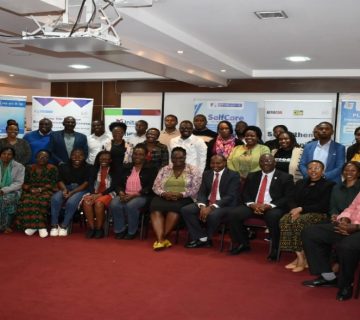
A national validation workshop was convened at Sarova Stanley Hotel where participants additionally described self-care as:
“Taking responsibility for one’s health and wellbeing” • “Intentional self-awareness and self-maintenance” • “Prioritizing physical, emotional, spiritual and mental wellness” • “Kujijali” • “It’s about me, myself and I” • “Supporting others while caring for oneself”
Challenges Affecting Self-Care
While participants acknowledged progress in HIV treatment and awareness, several major barriers affecting self-care were consistently highlighted across all counties.
Stigma and Discrimination
Stigma remains one of the greatest barriers affecting treatment adherence, disclosure, mental health, and healthcare-seeking behaviour. Participants reported experiences of fear of disclosure and rejection, self-stigma and isolation, involuntary disclosure in integrated health facilities, and discrimination by healthcare workers and communities.
Mental Health Challenges
Communities emphasised that mental health remains insufficiently integrated into HIV programming despite its major impact on adherence and overall well-being. Key concerns included anxiety and depression, treatment fatigue, emotional exhaustion, stress linked to poverty and disclosure, and isolation among ageing PLHIV.
Economic and Structural Barriers
Participants also identified high transport costs to healthcare facilities, poverty and unemployment, food insecurity, financial challenges linked to SHA consultation fees, and reduced psychosocial support following health system integration. The inability to access adequate nutrition was repeatedly identified as a major challenge affecting treatment adherence and positive health outcomes.
U=U Messaging Restoring Hope
The consultations highlighted the growing impact of Undetectable = Untransmittable (U=U) messaging in improving treatment adherence and reducing self-stigma among PLHIV. Participants noted that U=U messaging has increased hope and confidence, improved adherence to treatment, reduced fear in relationships, encouraged viral suppression awareness, and strengthened motivation for long-term care.
However, communities also emphasised the need for continued education to address misconceptions around HIV transmission, reinfection, and PMTCT.
Building a Practical National Self-Care Guide
During the national co-creation workshop, stakeholders collaboratively developed the proposed structure of the National Self-Care Guide. The guide is expected to be community-centred, rights-based, practical and easy to understand, inclusive of all populations, and available in both print and digital formats.
The proposed guide will include modules on:
- Personal motivation and responsibility
- HIV treatment literacy
- Mental health and psychosocial wellbeing
- Nutrition and healthy living
- Stigma and disclosure
- Sexual and reproductive health
- Peer support systems
- Long-term HIV management and ageing with HIV
The Eight Dimensions of Wellness
The consultations embraced a holistic wellness approach based on the Eight Dimensions of Wellness, which recognises that wellbeing includes emotional, financial, social, physical, spiritual, intellectual, occupational, and environmental wellness.
This framework reinforces that successful HIV self-care is not only about medication adherence but also about stable relationships, economic empowerment, emotional resilience, safe environments, and meaningful community support.
Strengthening Community Ownership
The consultations reaffirmed the importance of community leadership and participation in sustaining HIV care outcomes in Kenya, particularly during the transition toward integrated healthcare systems and shrinking donor-supported structures. Participants strongly emphasised restoring peer support groups, strengthening treatment literacy, promoting stigma-free healthcare services, enhancing community-led dissemination approaches, integrating mental health into HIV care services, and ensuring inclusive programming for adolescents, key populations, and ageing PLHIV.
Ongoing Media Campaign on Self-Care
As part of the continued efforts to strengthen awareness and promote community ownership of health, NEPHAK and partners have intensified media engagement and public awareness campaigns focused on self-care for people living with HIV.
The ongoing campaign utilises radio conversations, digital platforms, community dialogues, and advocacy engagements to amplify key self-care messages. Communities are being sensitised on treatment adherence, mental and emotional well-being, positive living and self-acceptance, HIV prevention and treatment literacy, U=U awareness and stigma reduction, healthy lifestyles and nutrition, and accessing support systems and healthcare services.
Media conversations through radio stations, online platforms, and community engagement forums have created safe spaces for communities to openly discuss challenges affecting self-care, including stigma, mental health, disclosure, adherence, treatment fatigue, and economic barriers. These conversations continue to strengthen treatment literacy while promoting inclusive and people-centred HIV responses.
Looking Ahead
NEPHAK and partners remain committed to finalising and rolling out a practical, inclusive, and empowering National Self-Care Guide that reflects the realities, voices, and aspirations of communities across Kenya.
The initiative continues to demonstrate that self-care is not only about managing HIV treatment, but also about strengthening dignity, resilience, empowerment, and long-term well-being for people living with HIV. As communities continue to champion the message of “My Health, My Responsibility,” the collective efforts of PLHIV networks, healthcare stakeholders, development partners, and communities will remain critical in advancing sustainable and people-centred HIV responses in Kenya.

No comment