
With support from AFROCAB’s THRIVE Small Grants Programme, community-led interventions have been implemented across Kisumu, Mombasa, Nairobi, Nakuru, and Kericho counties to strengthen awareness, prevention, early identification, and management of Advanced HIV Disease (AHD).
Through community dialogues, outreach activities, support groups, health education sessions, and advocacy forums, over 3,000 community members have been reached with information on HIV prevention, treatment adherence, self-care, opportunistic infections, and the importance of early health-seeking behaviour. Community Health Promoters, peer educators, healthcare workers, and AHD champions were equipped with skills to identify vulnerable clients, provide treatment literacy, strengthen referrals, and support post-discharge follow-up.
The programme strengthened community-health facility linkages, improved treatment literacy, reduced stigma, and increased demand for HIV testing and screening services. Community-based tracing and follow-up efforts successfully re-engaged treatment interrupters into care, while individuals identified with advanced disease were linked to appropriate treatment and support services.
A key achievement was the revival and strengthening of peer-led support groups, providing safe spaces for psychosocial support, adherence counselling, and experience sharing among people living with HIV. Community-led advocacy efforts also amplified the voices of recipients of care in national HIV and AHD discussions, promoting self-care, accountability, and people-centred service delivery.
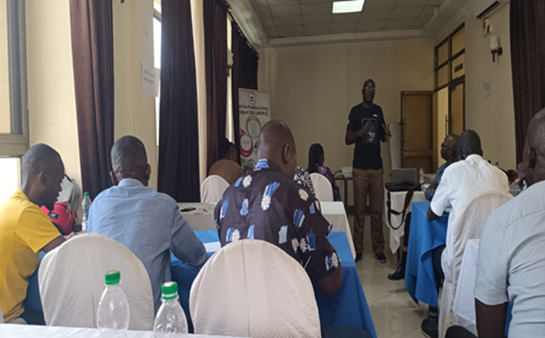
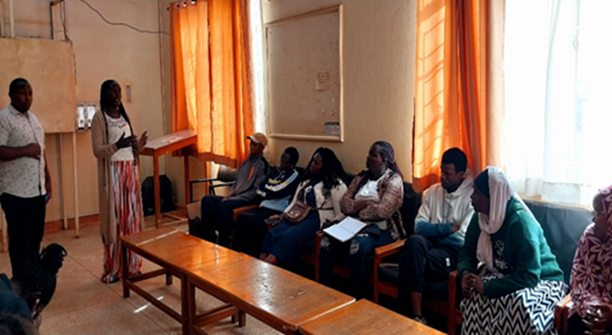
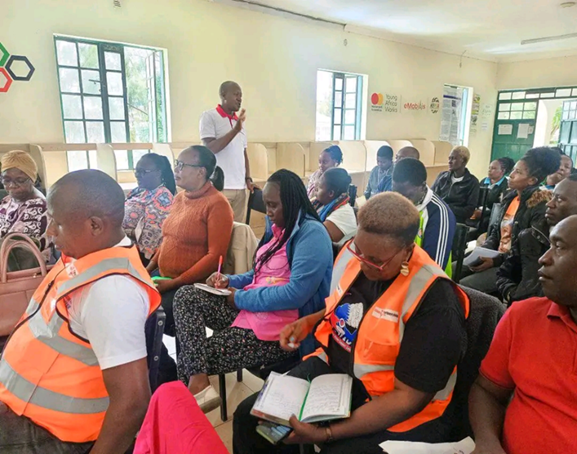
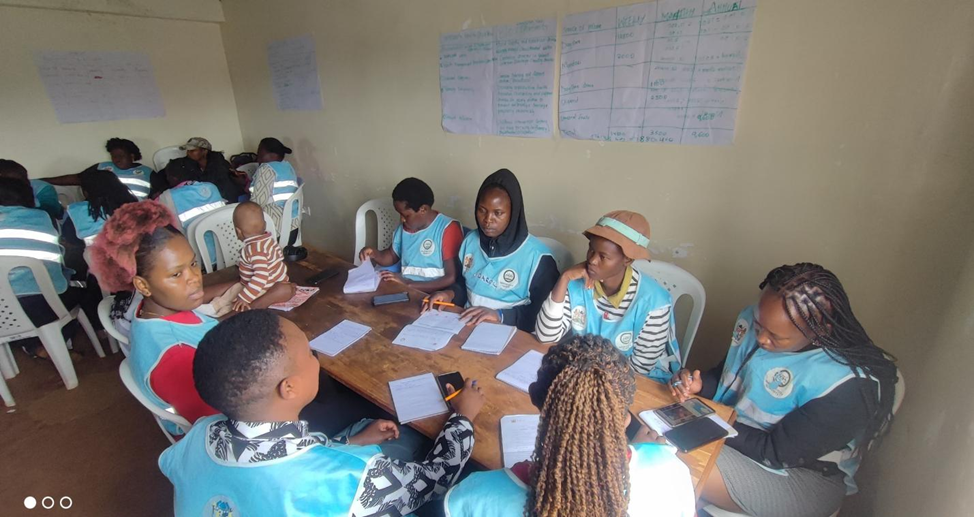
The initiative has demonstrated the power of community leadership in improving health outcomes and strengthening sustainable responses to HIV. Through collaboration with healthcare providers, local leaders, community networks, and national stakeholders, significant progress was made toward improving access to quality AHD services and ensuring that no one is left behind in the HIV response.
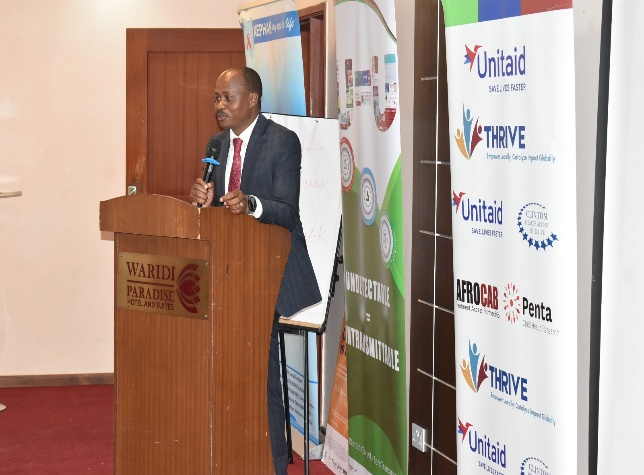
“I assure the PLHIV community that AHD, paediatric HIV, and multisectoralism will continue to be prioritized. We are committed to making the work of communities and partners easier as we work together to strengthen the HIV response.”
Dr. Andrew Mulwa, Head of NASCOP
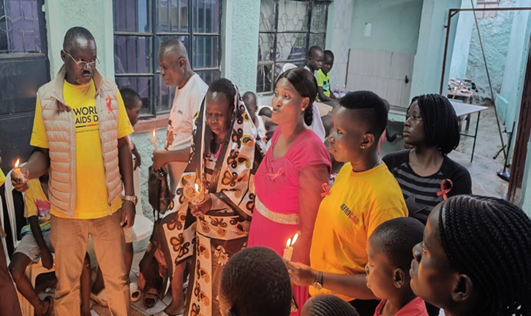
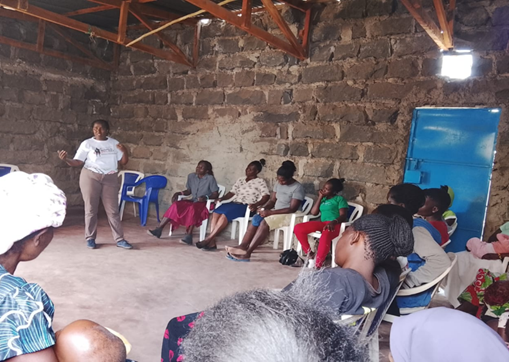
Partners Forum 2026
The Advanced HIV Disease (AHD) Partners Forum brought together NASCOP, AFROCAB, UNAIDS, CHAI, AMREF, KRCS, SRHR Alliance, NEPHAK, and community networks to discuss progress and priorities in strengthening Kenya’s HIV response. Discussions emphasised the importance of community-led interventions, self-care, differentiated service delivery, and integrated HIV services in achieving the goal of ending AIDS as a public health threat by 2030.
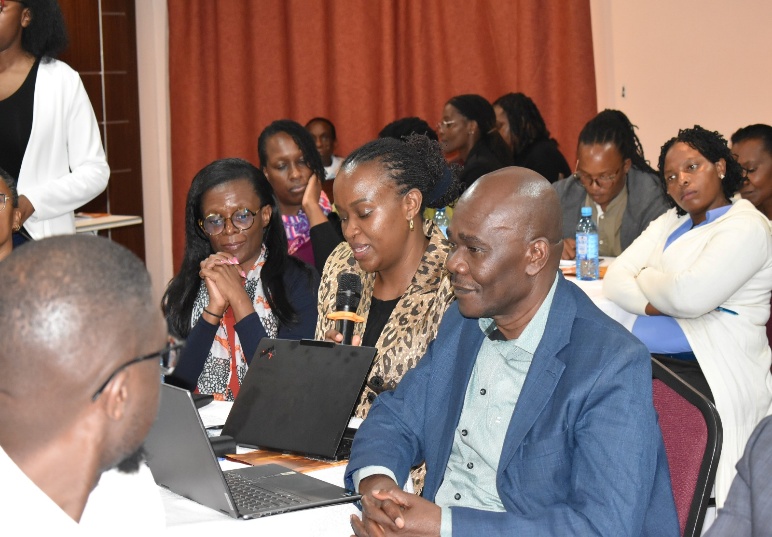
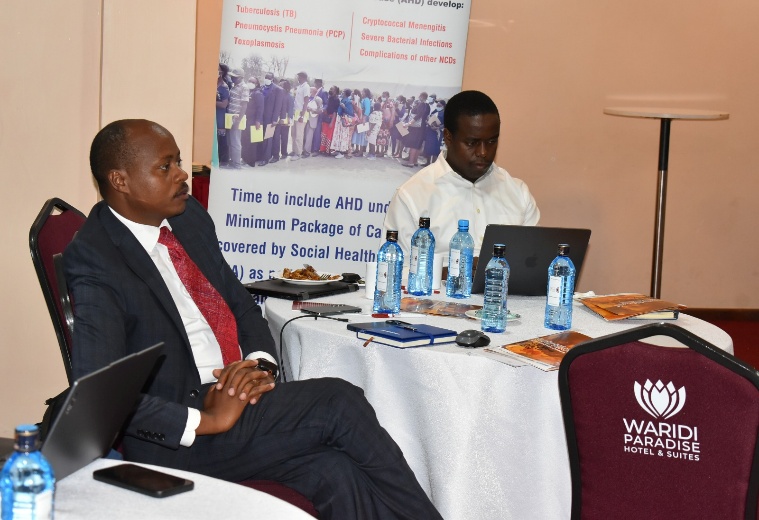
Partners highlighted the need for stronger community systems, sustainable financing, improved treatment literacy, early referrals, and post-discharge support. The forum concluded with a renewed commitment to advancing self-care strategies, strengthening community engagement, and ensuring that people living with HIV have access to quality, people-centred services.
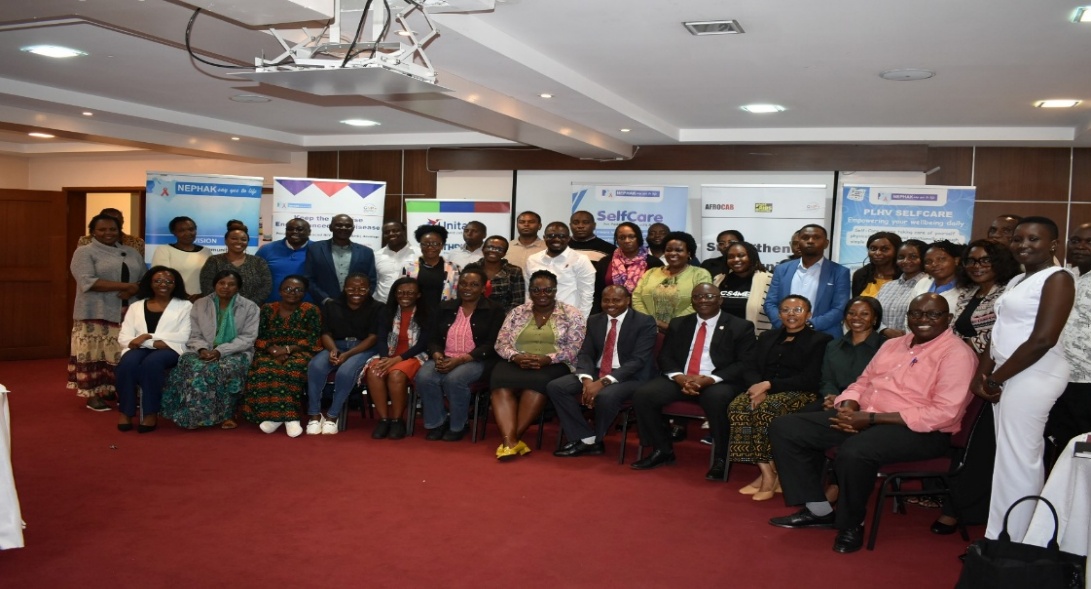
Communities remain at the heart of the HIV response. By strengthening self-care, investing in community systems, and working together across sectors, we can improve outcomes for people living with HIV and accelerate progress towards ending AIDS as a public health threat by 2030.



No comment